
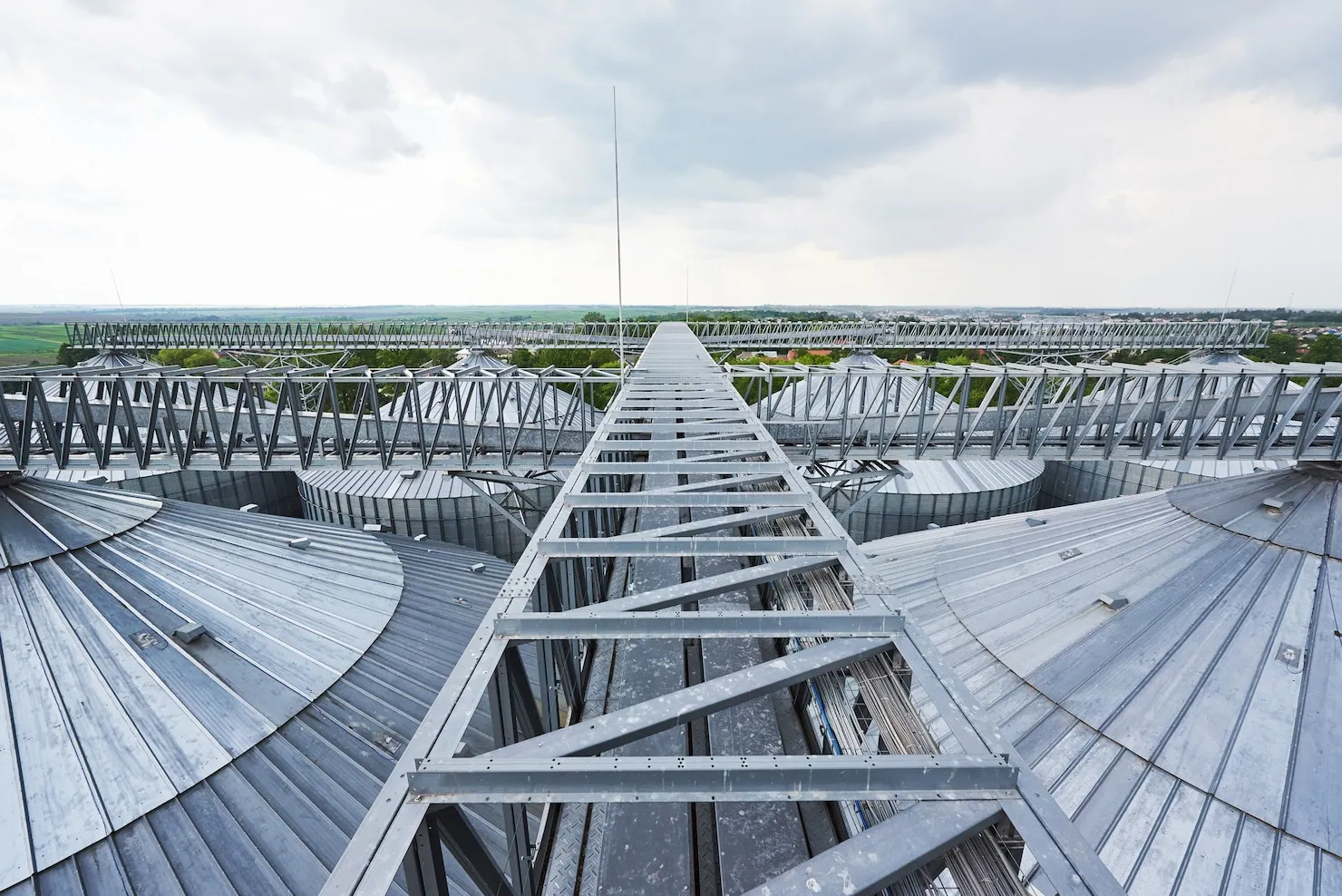
As the world rapidly urbanizes and strives for more sustainable living, the need for innovative infrastructure solutions becomes increasingly critical. The cities of tomorrow will be built on the principles of sustainability, resilience, and efficiency, and metal solutions play a crucial role in this transformation. From energy-efficient buildings to smart telecommunication networks and green energy transmission, metal structures are at the forefront of shaping the sustainable cities of the future.
The Rise of Sustainable Cities
With growing concerns about climate change, resource depletion, and environmental degradation, cities worldwide are facing the challenge of building infrastructure that is both eco-friendly and economically viable. Sustainable infrastructure goes beyond simply reducing the environmental impact of construction; it encompasses energy efficiency, resource conservation, green energy utilization, and the circular economy. As cities evolve, these principles will guide the design and construction of urban spaces, making sustainability not just a goal but a requirement.
How Metal Solutions Contribute to Sustainability
Metal solutions are increasingly recognized for their sustainability in various aspects of infrastructure development. Here are some ways metal structures contribute to the future of sustainable infrastructure:
1. Durability and Longevity
Metal structures, such as power transmission towers, telecommunication poles, and building frameworks, are designed to withstand harsh environmental conditions, reducing the need for frequent repairs or replacements. Their long lifespan means less waste, fewer resources spent on maintenance, and a reduction in the carbon footprint associated with ongoing repairs.
2. Recyclability and Circular Economy
Metals, especially steel and aluminum, are highly recyclable, which supports the concept of a circular economy — where materials are reused and recycled instead of being disposed of. This significantly reduces the consumption of raw materials, conserves natural resources, and reduces waste in landfills. The recycling process for metals uses less energy compared to producing new metals, further decreasing environmental impact.
3. Energy-Efficient Solutions
Metals play a key role in green energy infrastructure. For example, solar panel structures, wind turbine towers, and energy-efficient building frames made from metal can be optimized for maximum energy efficiency. These metal components support renewable energy generation, which is a cornerstone of sustainable cities.
4. Low Environmental Impact Manufacturing
The manufacturing of metal structures has evolved, with companies adopting cleaner production techniques and technologies. Advanced methods such as laser cutting, 3D printing, and robotic welding reduce material waste and improve precision, which ultimately results in higher-quality products with a smaller environmental footprint.
5. Smart Infrastructure Integration
In the smart cities of the future, metal structures will be essential for integrating technology into infrastructure. Telecommunication towers, 5G networks, and smart grid solutions will rely on durable metal components that enable the smooth functioning of connected cities. These smart systems will enhance efficiency, reduce energy consumption, and improve urban life by enabling better resource management.
Sustainable Metal Applications in Tomorrow’s Cities
-
Telecommunication Towers: As cities become more connected, telecommunication towers made from durable, high-quality metal are essential for supporting the growing demand for high-speed data and communication. These towers are not only built to last but also designed to minimize their environmental impact.
-
Power Transmission Towers: In sustainable cities, the demand for renewable energy sources like solar and wind will increase. Power transmission towers, made from metal, will play a key role in efficiently transmitting clean energy over long distances, helping to create resilient energy grids.
-
Green Building Frameworks: Metal frameworks provide the structural integrity needed for eco-friendly buildings, ensuring they are both strong and energy-efficient. With innovations in materials such as recycled steel, these frameworks are increasingly being integrated into green architecture, contributing to the sustainable development of cities.
-
Transportation Infrastructure: Steel bridges, metal railings, and modular metal components are becoming integral to green transportation infrastructure. These structures support public transit systems, bike lanes, and pedestrian walkways, all of which contribute to reducing carbon emissions and encouraging sustainable transportation options.
The Path Forward: Innovation and Collaboration
To fully harness the potential of metal solutions for sustainable infrastructure, continued innovation and collaboration across industries are essential. Engineers, architects, and urban planners must work together to design infrastructure that is eco-friendly, energy-efficient, and resilient.
Furthermore, governments and municipalities must play a proactive role by supporting policies that encourage sustainable construction practices, recycling initiatives, and the use of green materials. Public-private partnerships can also drive the development of sustainable infrastructure projects, bringing together resources, expertise, and funding to create cities that are not only livable but also environmentally responsible.
Conclusion
The future of cities is undoubtedly sustainable, and metal solutions are at the heart of this transformation. From their durability and recyclability to their role in supporting green energy and smart technologies, metal structures are shaping the way we build, live, and interact with the world around us. As we move towards a more sustainable future, ARTİMİS METAL is proud to be part of this global effort, providing the metal solutions that will help build tomorrow’s cities — today.