
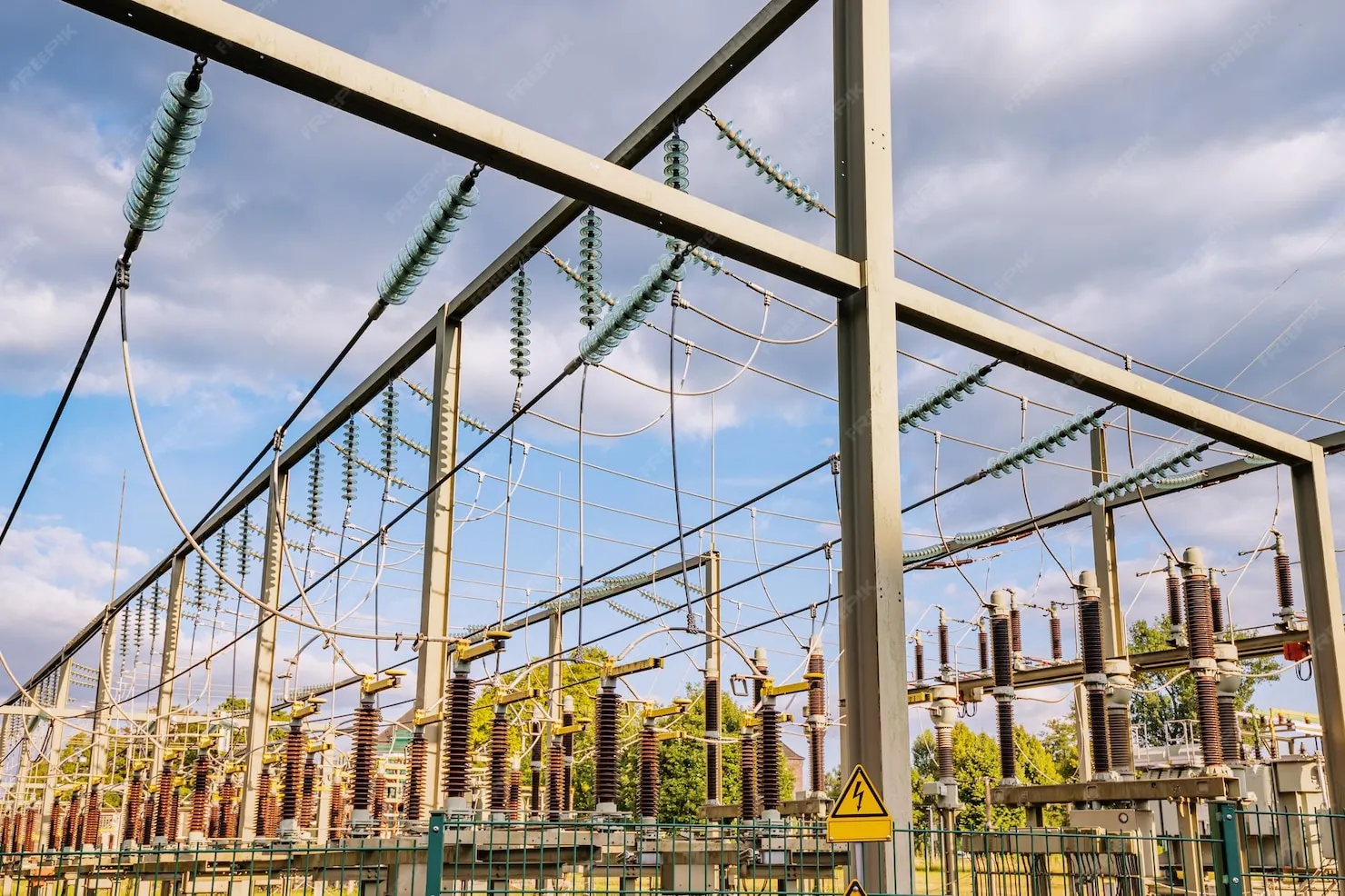
Electrical substations play a vital role in the power distribution system, transforming high-voltage electricity from power plants into a lower voltage for safe use in homes and businesses. As the demand for reliable and efficient energy continues to grow, the role of steel structures in electrical substations becomes increasingly important. Steel not only ensures the structural integrity of substations but also contributes to their efficiency, resilience, and longevity.
In this blog post, we will explore how steel structures enhance the design, functionality, and sustainability of electrical substations while addressing the challenges that come with modern energy requirements.
The Importance of Electrical Substations
Electrical substations are essential components of the power grid, acting as the interface between the generation and distribution of electrical energy. Substations perform a variety of functions, including:
-
Voltage transformation from high to low voltage or vice versa.
-
Distribution of electrical power to residential, commercial, and industrial areas.
-
Switching and protection of electrical circuits to prevent faults or damage.
As urbanization and industrialization increase, the need for efficient and robust substations has never been greater. With the increasing demand for uninterrupted power supply, the design and materials used in substations must be carefully considered to ensure safety, sustainability, and resilience.
Why Steel? The Ideal Material for Substations
Steel has long been the material of choice for the frameworks of electrical substations, and it continues to be indispensable due to its numerous benefits:
1. Durability and Strength
Steel offers exceptional strength-to-weight ratio, making it the ideal material for supporting large electrical transformers, switchgear, and other heavy equipment. Steel structures can withstand extreme weather conditions, including high winds, storms, and heavy snow, ensuring the long-term integrity of the substation.
Additionally, steel is resistant to corrosion when treated or coated, ensuring that the structures remain functional and stable over time, even in challenging environments.
2. Design Flexibility
Steel allows for a wide range of design possibilities due to its malleability and strength. Substations often require complex layouts and configurations to accommodate various equipment and electrical components. Steel can be customized to meet the specific design needs of each substation, ensuring efficient space utilization while maintaining optimal safety standards.
Whether it’s for the supporting framework, transformer bases, control buildings, or fencing, steel structures can be designed and fabricated to meet exact specifications and accommodate future expansions.
3. Seismic and Structural Resilience
Electrical substations must be designed to withstand seismic activity in earthquake-prone areas. Steel’s inherent ductility and flexibility enable it to absorb and dissipate energy during seismic events, making it more resilient than other materials such as concrete or wood.
In addition to seismic resilience, steel structures are also highly impact-resistant, which is critical for preventing structural damage during natural disasters, accidents, or electrical faults.
4. Fire Resistance
Electrical substations are prone to fires due to the presence of high-voltage equipment and wiring. Steel, being inherently fire-resistant, helps reduce the risks of fire spreading and causing catastrophic damage. When designed with fire-resistant coatings or intumescent paints, steel can significantly increase the fire safety of substations.
5. Sustainability and Recyclability
Steel is one of the most sustainable materials in construction. It is highly recyclable and can be repurposed without losing its strength or integrity. This aligns with the increasing demand for eco-friendly infrastructure and the push toward a circular economy. By using steel in electrical substation construction, companies can reduce waste and contribute to sustainability goals.
Additionally, steel’s long lifespan reduces the need for frequent repairs and replacements, further reducing the environmental footprint of substations over time.
Applications of Steel in Electrical Substations
Steel plays an integral role in several components of an electrical substation. Here’s how it’s applied across different structures:
1. Supporting Frameworks
Steel beams and columns are used to create the supporting framework for electrical substations. These structures hold the equipment in place and ensure the safety and stability of the entire facility. The steel framework must be engineered to support the weight of transformers, switchgears, and other essential components.
2. Control Buildings
The control building is the heart of any electrical substation, housing the monitoring and operational equipment. Steel is often used in the construction of these buildings due to its ability to support heavy loads and provide security. Additionally, steel frames offer flexibility for future expansions or modifications to the building.
3. Fencing and Perimeter Protection
Substations require strong, secure fencing to protect valuable equipment from vandalism and unauthorized access. Steel fencing is durable, resistant to corrosion, and provides a high level of security. Steel barriers can also be reinforced to prevent accidental contact with live equipment, enhancing overall safety.
4. Bus Supports and Cable Trays
Steel is widely used for bus support structures and cable trays, which hold the electrical conductors and cables in place. These structures must be designed to withstand high electrical loads while maintaining aesthetic appearance and accessibility for maintenance.
Challenges and Solutions
While steel is an ideal material for substations, the design and construction of steel structures must account for several challenges:
-
Corrosion in harsh environments: Steel can corrode in high-moisture or coastal environments. This can be mitigated by using corrosion-resistant coatings such as galvanization or powder coating to extend the lifespan of the structure.
-
Cost: While steel is a long-term investment, it can be more expensive upfront compared to other materials. However, the long-term durability, low maintenance, and energy efficiency of steel structures outweigh the initial costs.
Conclusion
Steel structures are at the heart of the modern electrical substation, ensuring that these critical power distribution points are not only strong and reliable but also resilient, safe, and sustainable. As the demand for energy continues to rise and the push for sustainable practices intensifies, ARTİMİS METAL is proud to provide the steel solutions that form the backbone of efficient and future-ready electrical substations.
Through the use of high-quality steel, electrical substations can meet the challenges of today while being prepared for the needs of tomorrow — delivering reliable energy with minimal environmental impact.